Colorado Scientific Society 2026 Past Presidents’ Dinner and Program
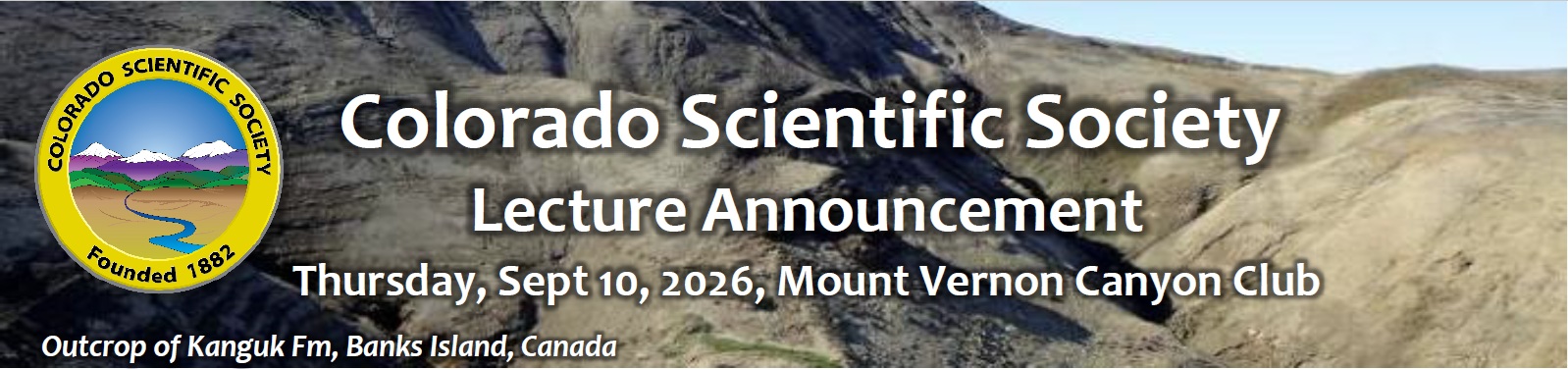
Reconstructing a Cretaceous Arctic marine ecosystem and tackling a fossil “who-dung-it” mystery
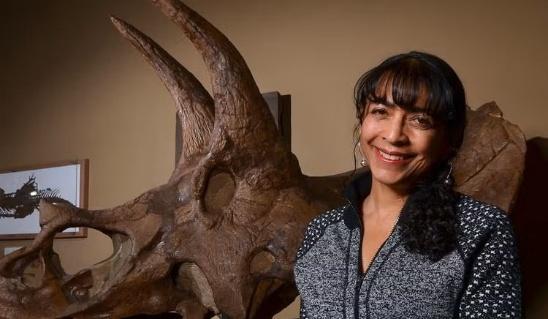
Dr. Karen Chin, University of Colorado, Boulder
CU Museum of Natural History
Thursday, September 10, 2026
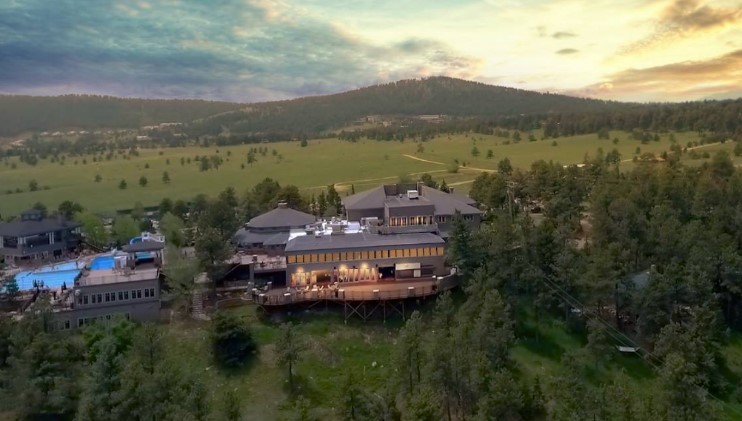
Dinner and presentation at the Mount Vernon Canyon Club
24933 Clubhouse Circle, Golden, CO 80401
(on Lookout Mtn., off I-70)
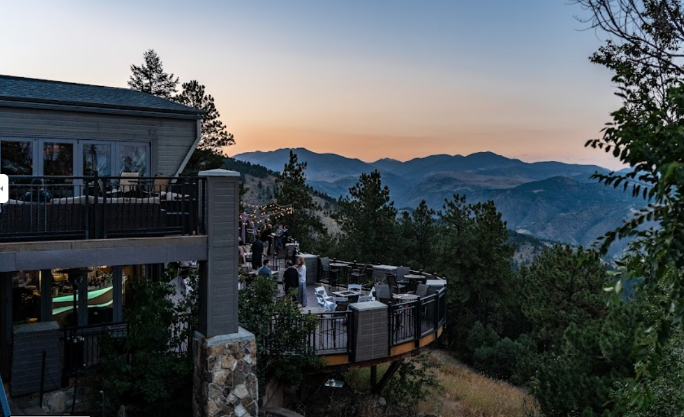
We are in Canyon Room with it’s balcony overlooking Clear Creek and the Divide. It is accessed by both stairs and ramps.
Thursday, September 10, 2026
Social Time 5:30 pm
Dinner Service 7:00 pm
Program 8:00-9:00 pm
Everyone is welcome.
Menu
Dinner Buffet with Cash Bar
$70 regular
$30 student (for the first 10 students)
Salads:
- Mixed Green Salad (GF): Mixed greens, blue cheese crumbles, granny smith apples, and pecans served with maple vinaigrette dressing
- Peach Panzanella Salad: Peaches, raspberries, grilled ciabatta, arugula, Bermuda Onion and goat cheese with white balsamic vinaigrette
Entrées:
- Colorado Pan Seared Chicken (GF): Frenched chicken breast, poblano sauce, corn relish
- Peach Pork Chop (GF): Colorado Inspired with peach chutney
Starch: Maple roasted sweet potato hash (GF)
Vegetable: Bistro seasonal vegetables (GF)
Rolls with butter
Drinks: Coffee, Tea, Iced tea
Dessert: Petite Gourmet Dessert Display: Chocolate cup mousse, Key lime pie cup
Mount Vernon Canyon Club
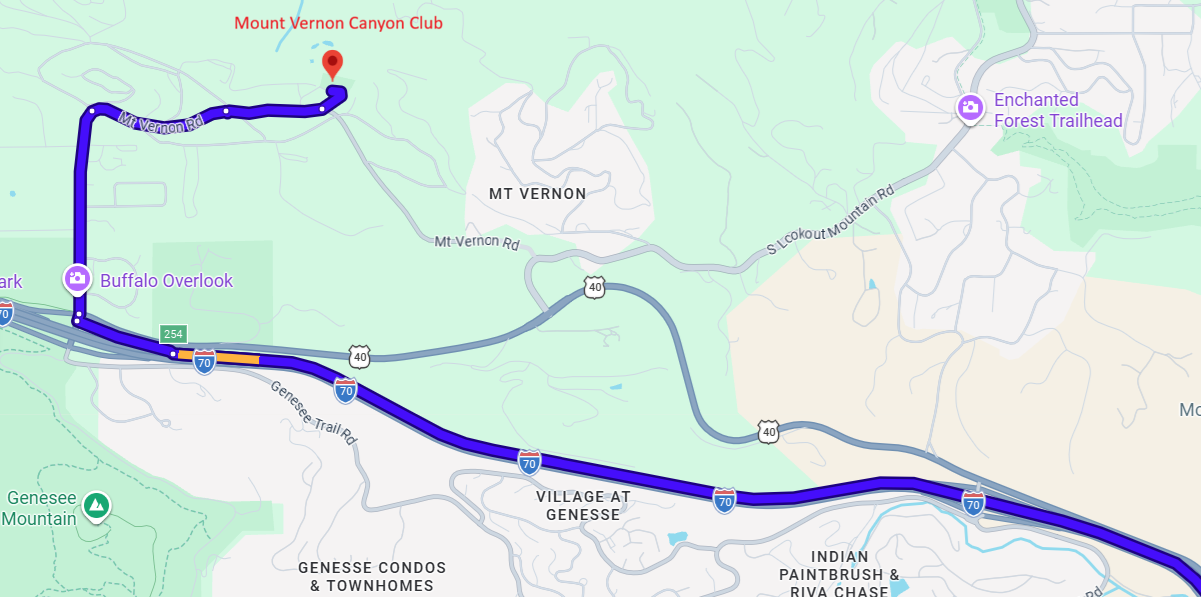
The Mount Vernon Canyon Club is southwest of Lookout Mountain north of I-70 via exit 254 (Buffalo Overlook).
Link to Mount Vernon Canyon Club on Google Maps
If you need a ride or can give someone a ride, please tell us (at the bottom of your Past Presidents’ Dinner registration).
Reconstructing a Cretaceous Arctic marine ecosystem and tackling a fossil “who-dung-it” mystery
Dr. Karen Chin, University of Colorado, Boulder
Professor and Curator of Paleontology, CU Museum of Natural History
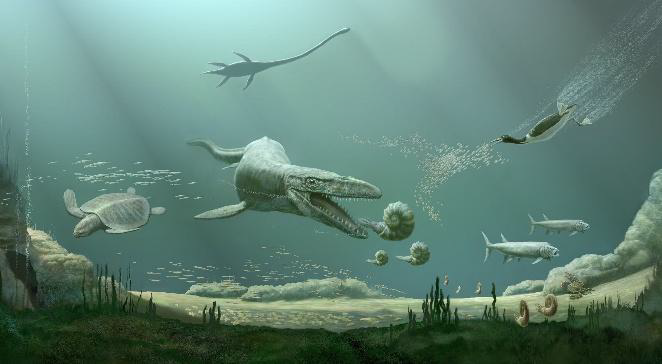
Abstract: Fossil evidence from Devon Island in the Canadian High Arctic sheds light on a marine ecosystem that flourished in the warm temperate Arctic during the greenhouse world of the Cretaceous. A thick sedimentary sequence of the Kanguk Formation preserves dense concentrations of planktonic microfossils, modest numbers of invertebrate and vertebrate fossils, and innumerable coprolites (fossil feces). These fossils reveal a surprisingly productive ancient ecosystem and shed light on paleoenvironmental conditions in the Cretaceous Arctic. But why are many more coprolites than body fossils found in the area, and who produced the feces? Recent research helps answer the “who” and “why” of this “who-dung-it” mystery.
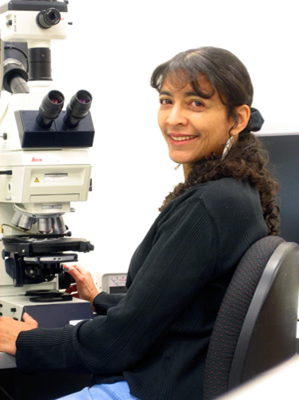
Dr. Karen Chin studies the structure & dynamics of Mesozoic ecosystems. Her work focuses on how ancient communities of organisms differed from those in modern ecosystems, and what types of interactions occurred within vertebrate communities and the environments they shared. She is renowned as a leading expert in the study of coprolites (fossilized feces) and employs a multidisciplinary approach involving geological, biological, and chemical characteristics of coprolites, trace fossils and body fossils. Her work focuses on understanding interactions among ancient organisms, and deducing the environmental conditions in which these organisms lived and were fossilized.
Also see:
Discovering the Past Through Dino Poop
Episode #40 Who Dung It? with Karen Chin | Paleo Nerds
Flyer for 2026 Colorado Scientific Society Past Presidents’ Dinner
Colorado Scientific Society Emmons Lecture
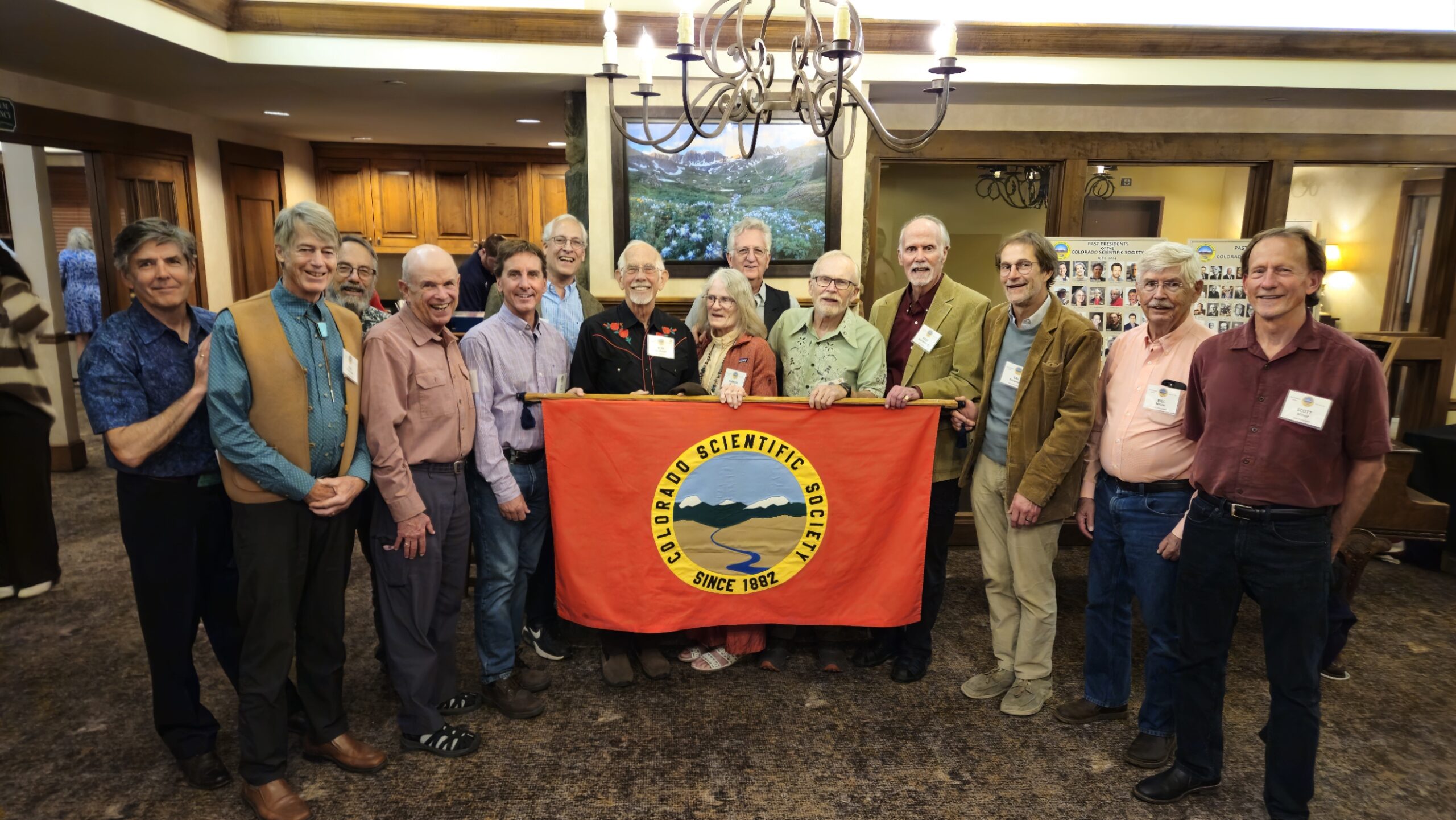
The S.F. Emmons Lecture, which began in 1962, is a highlight of the Colorado Scientific Society’s activities and contributes not only to our standing in the scientific community but to the intellectual growth of our members and colleagues. The series is named in honor of the Society’s founder, S.F. Emmons. The lectures feature speakers that are recognized nationally or internationally as being at the forefront of research in some important facet of the earth sciences.
CSS May 2026 Meeting and Emmons Lecture
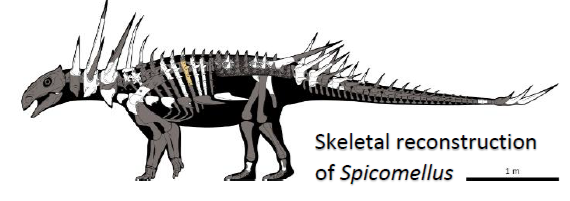
Spicomellus: Extreme armor in the world’s oldest ankylosaur
Thursday, May 21, 2026
Dr. D. Cary Woodruff, Phillip and Patricia Frost Museum of Science, Miami, FL
We met at Calvary Church, Golden
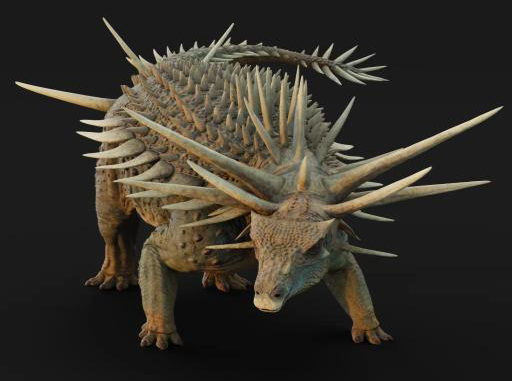
Speculative rendering by Matt Dempsey
Lecture Highlights:
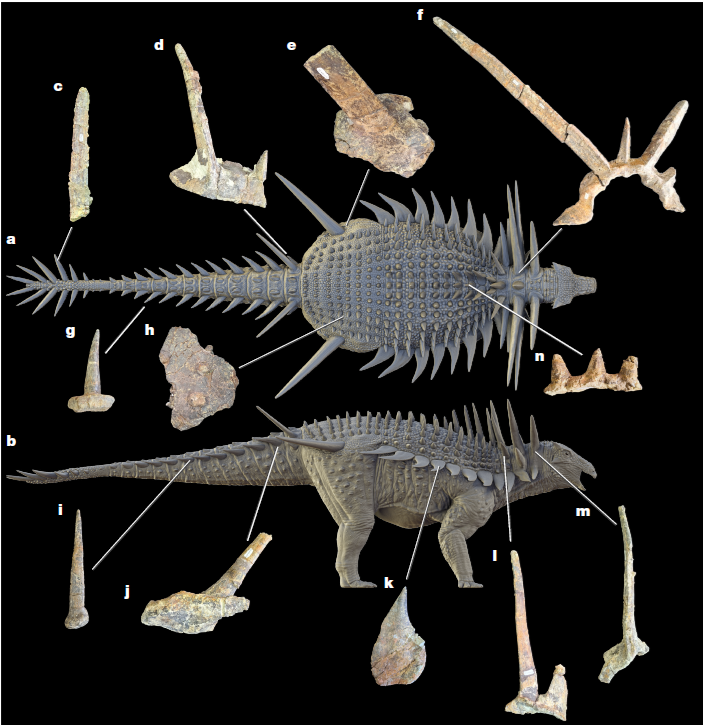
The ankylosaur Spicomellus afer is truly one of the most bizarre dinosaurs discovered to date. Covered head to tail with elaborate osteoderms, including cervical spikes nearly a meter in length, Spicomellus looks more Hollywood kaiju than factual dinosaur. However, it’s not just the appearance of Spicomellus that makes it unique. The construct of its bizarre armament is unlike any other vertebrate—extinct or extant. Being from the Middle Jurassic, Spicomellus is also the oldest ankylosaur thus far known; and with this bizarre body armor, is rewriting the functional and evolutionary role of armor in this dinosaurian clade. Spicomellus, along with other Gondwanan clades found within the El Mers Group, are helping to further push back, and elucidate, the origins of several dinosaurian lineages.
Speaker Background:
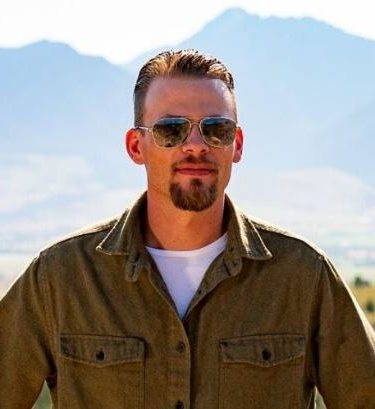
Dr. Cary Woodruff is the Curator of Vertebrate Paleontology at the Phillip and Patricia Frost Museum of Science in Miami, Florida where he is building a dinosaur collection from scratch. Cary has published numerous scientific papers involving taphonomy, histology (microscopic anatomy), dinosaur vision, fossil laws and regulations, dinosaur biomechanics, ontogeny (growth and development), soft-tissue preservation, dinosaur behavior, and human-fossil interactions. Cary’s main research specialization is dedicated to sauropod (“long-necked”) dinosaurs studying everything from how long it took them to grow up, how their skeletons changed during growth, how they moved their enormous bodies, how they behaved, how they fed, what their anatomy was like. Cary has also published a number of books on dinosaurs for kids.
Education
BS & MS in Earth Science at Montana State Univ./Museum of the Rockies
PhD in Ecology & Evolutionary Biology at Univ. Toronto/Royal Ontario Museum
Keywords
Ankylosaur, Middle Jurassic, osteoderms, cervical spikes, El Mers Group, Morocco
Flyer for this CSS meeting: CSS May 2026 Emmons Lecture, Cary Woodruff; Spicomellus: extreme armor in the world’s oldest ankylosaur
Link to the paper: Extreme_armour_in_the_world’s_oldest_ankylosaur